Art & Design
Courses and Programs
MBS offers students the opportunity to explore a number of artistic disciplines. The goals of all arts classes include developing proficiency in a particular area of the arts, increasing creativity and problem-solving skills through the arts, and helping students develop a lifelong relationship with the arts, both as practitioners and audience members.
Middle School
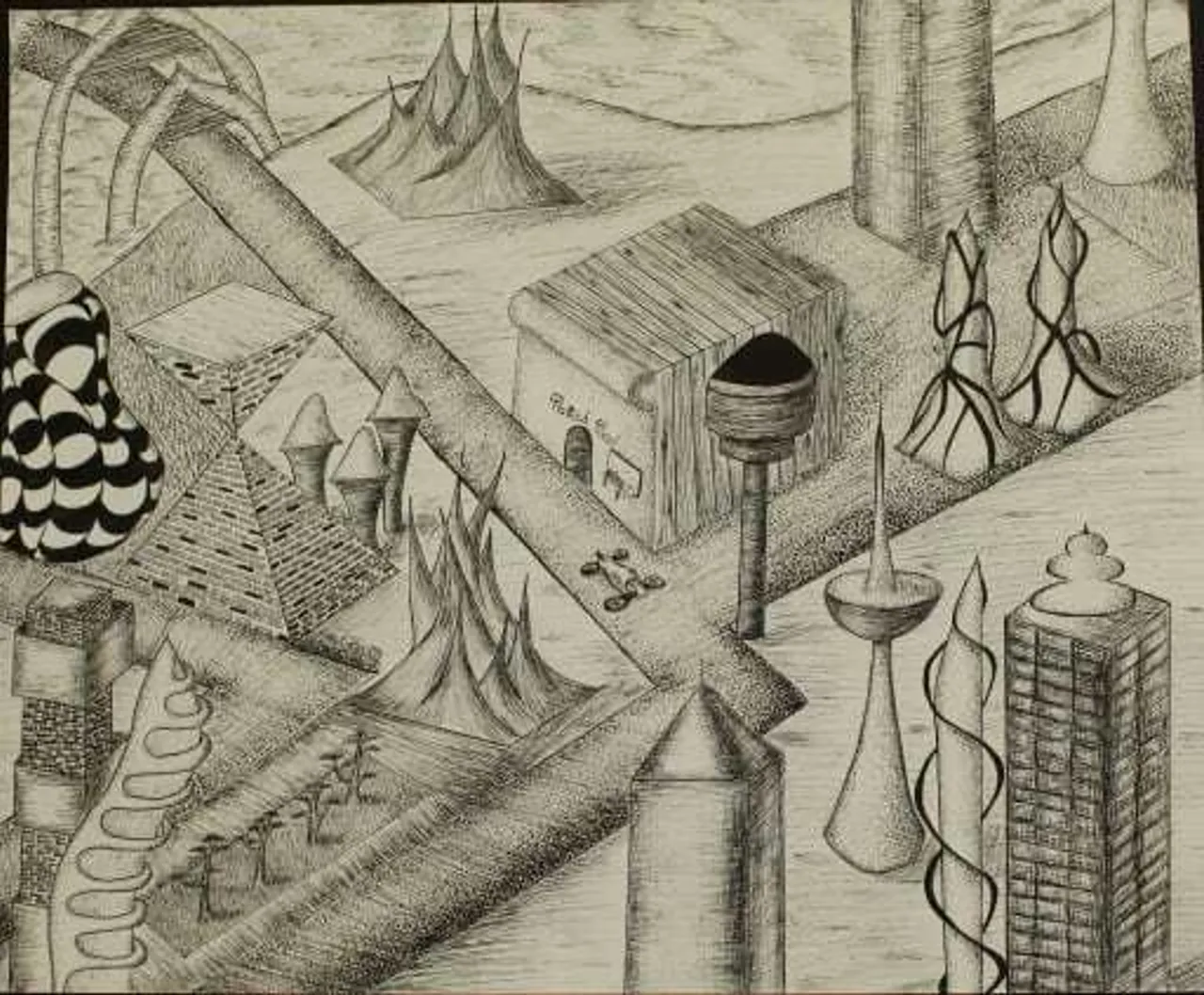
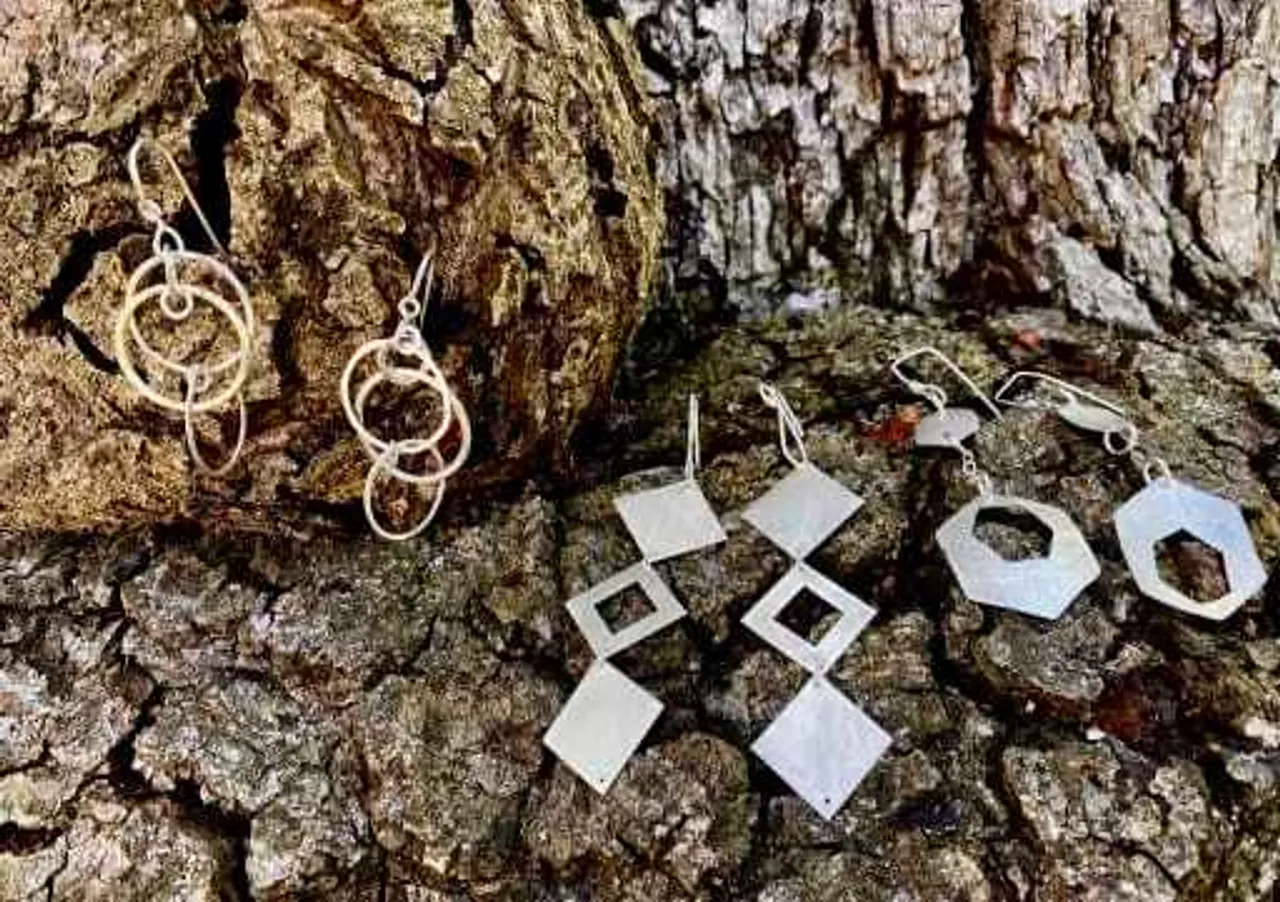
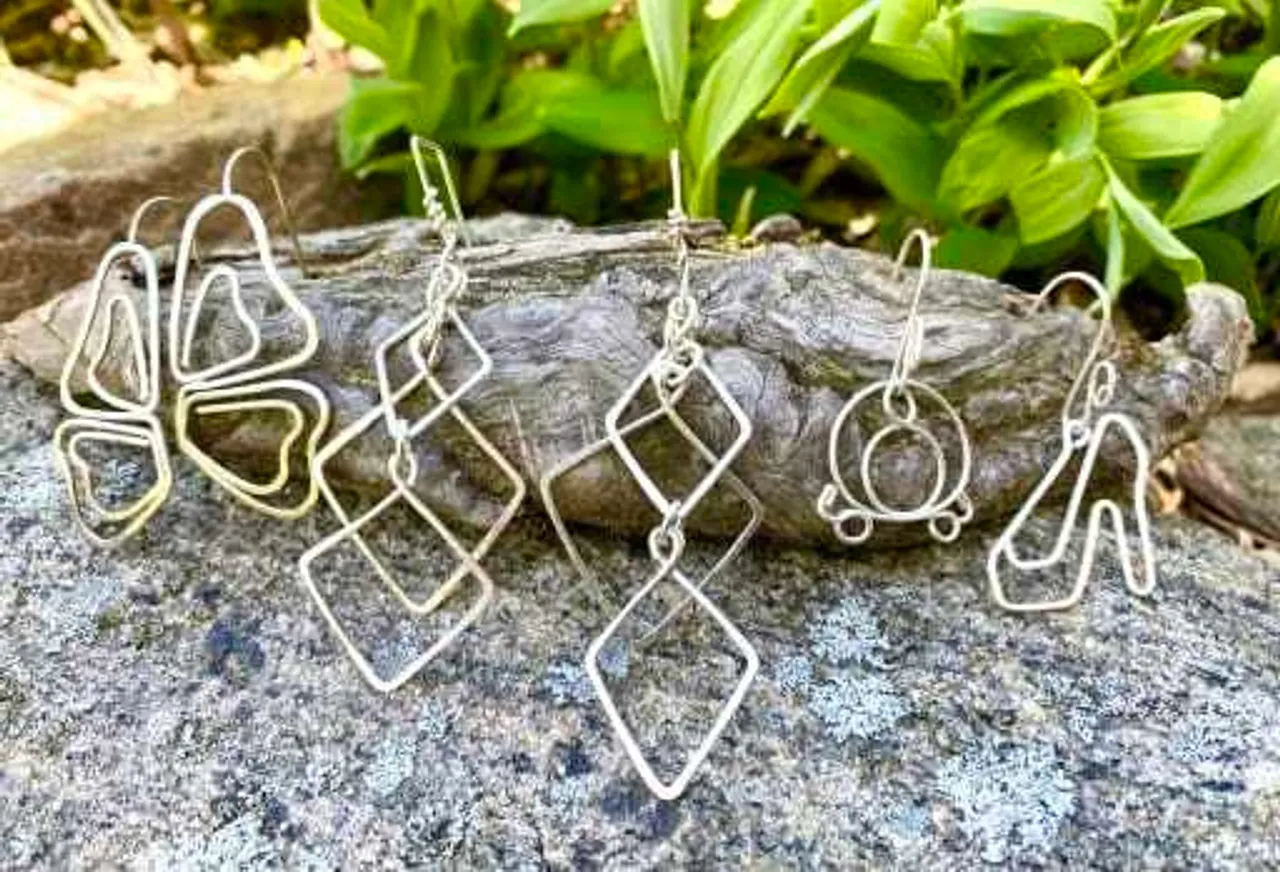
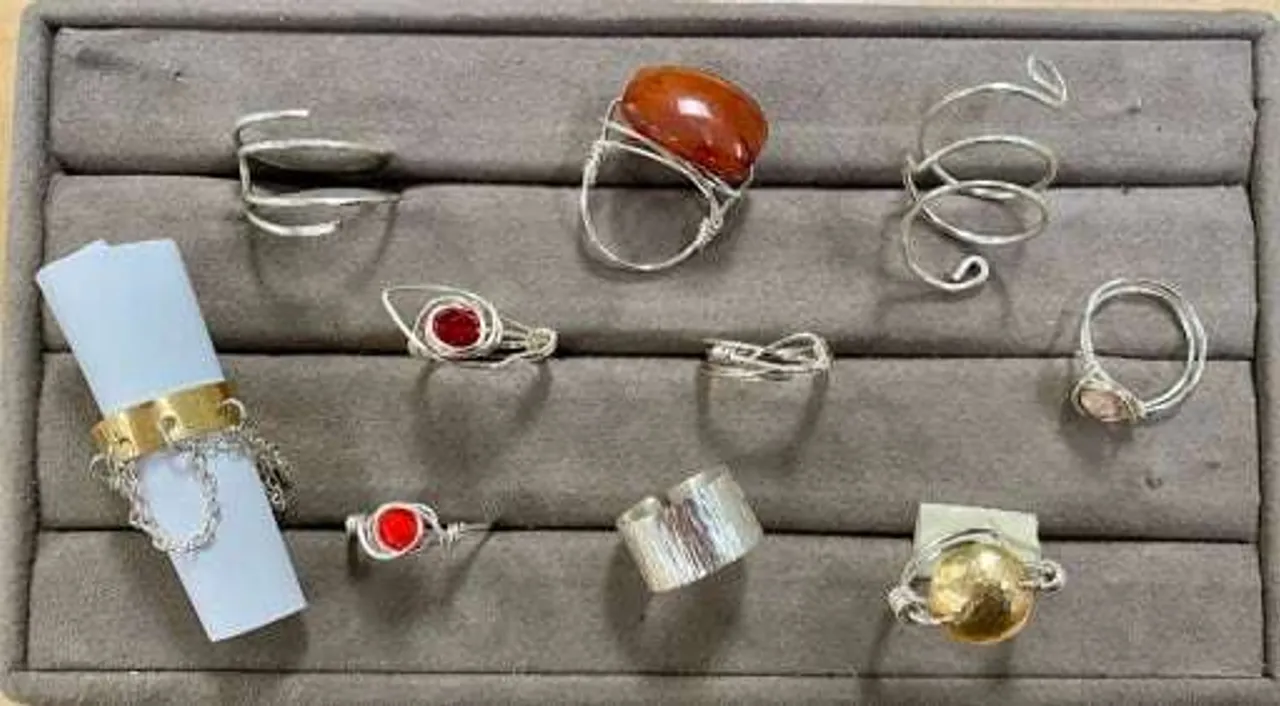
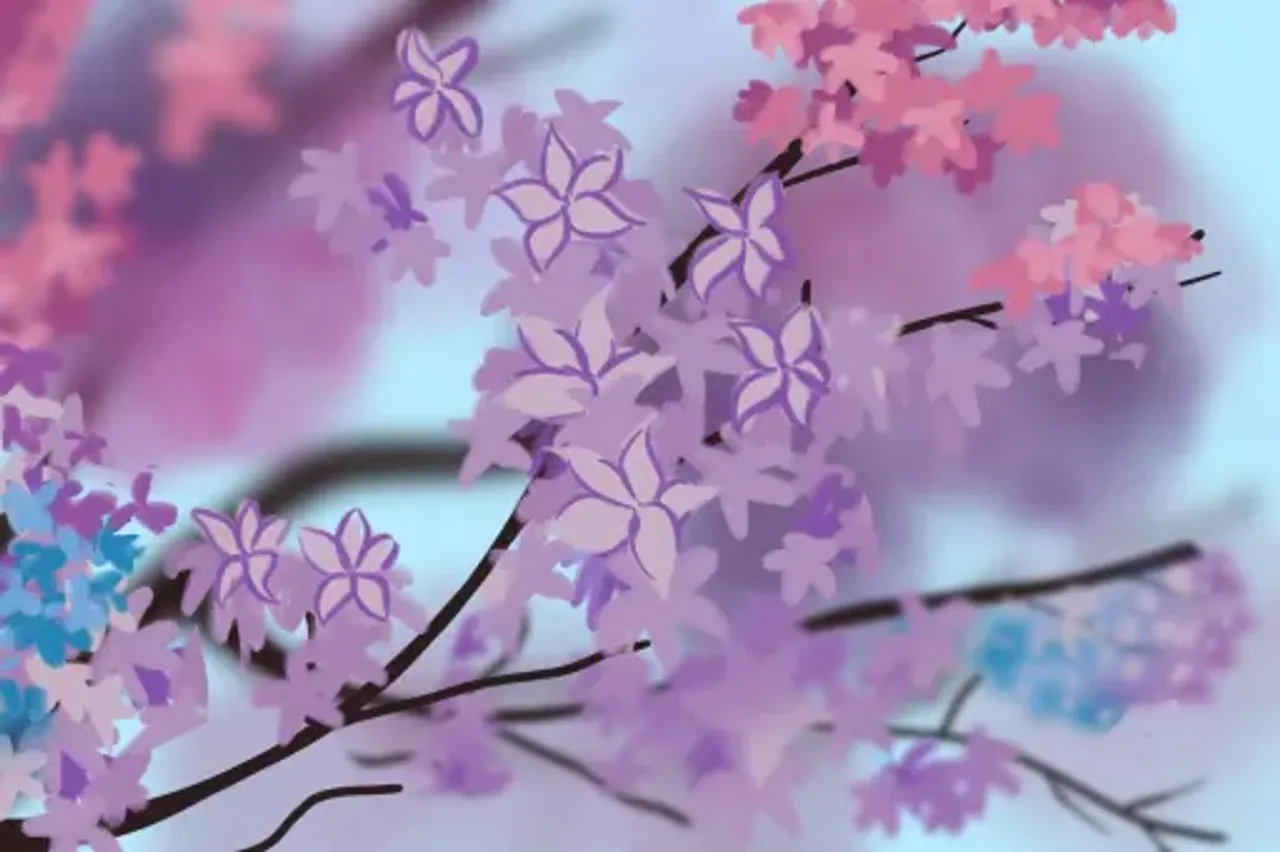
Art Program Required Courses Stagecraft (8th Grade) The Middle School Stagecraft class takes students through the creative and practical process of building sets for theater productions. Students learn the safe and proper use of hand tools in order to build scenery for the stage. They also learn the appropriate materials and joinery techniques necessary for building basic platforms and flats. Once scenery is built, students learn proper painting techniques such as cutting in, and rolling. Visual/Digital Arts Electives Photography & Film Making This elective is designed to equip students with the skills necessary to develop and then create a film. Beginning with a study of photography and photoshop, students progress to project-based experiences that help them to write, critique, film, edit, and produce cinema rooted in a story that they develop. Assessment will consist of photography presentation and critiquing, individual and group presentations (both traditional and media-based), and use of digital technologies. Digital Sketch & Draw This course explores digital drawing and art using Wacom drawing tablets, Adobe Photoshop and Adobe Illustrator. Students will be encouraged to seek creative ways of using technology to prepare projects and assignments. Color Psychology, character design and drawing techniques will be the main focus of this class. Design for blogging, portfolio setup and logo design will be studied. The core software for this class will be Adobe Photoshop and Adobe Illustrator, though the exploration of other software and how to use design and art software will be a focus. Jewelry Fabrication & Design This is an introductory course in which students learn basic principles of design and jewelry fabrication, while working with copper, brass, and silver filled wire & sheet. Students will also be encouraged to incorporate nonmetal objects into their work. They can expect to learn how to cut, drill, file and hammer metal. Wire work, chain maille, and installing manufactured rivets will also be covered. Students will develop a plan, taking into consideration design elements such as composition, movement, balance, aesthetics, and wearability. Composition and Design: What Your Eye Sees and How to Change It In this art class, students will begin by learning how an artist uses the principles of design to arrange their images on the page. Students will paint, draw, use mixed media and create collages. They will learn how they can trick the eye of the viewer by studying Op-art, Pointilism and Trompe-l’oeil realism. The course will also focus on the artists, M.C. Escher, Victor Vasarely, Georges Seurat, Fillip Brunelleschi, amongst others.
Upper School
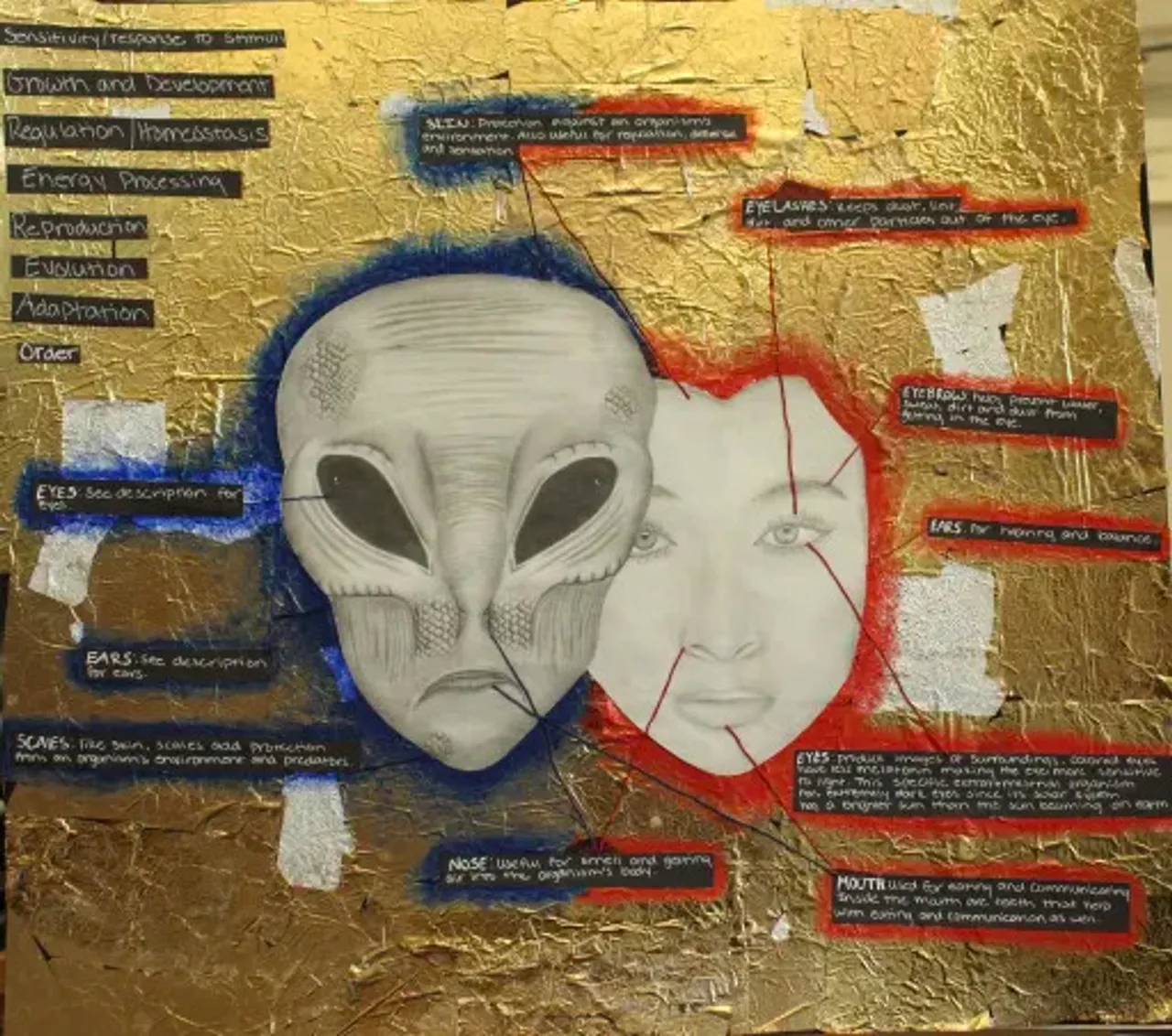
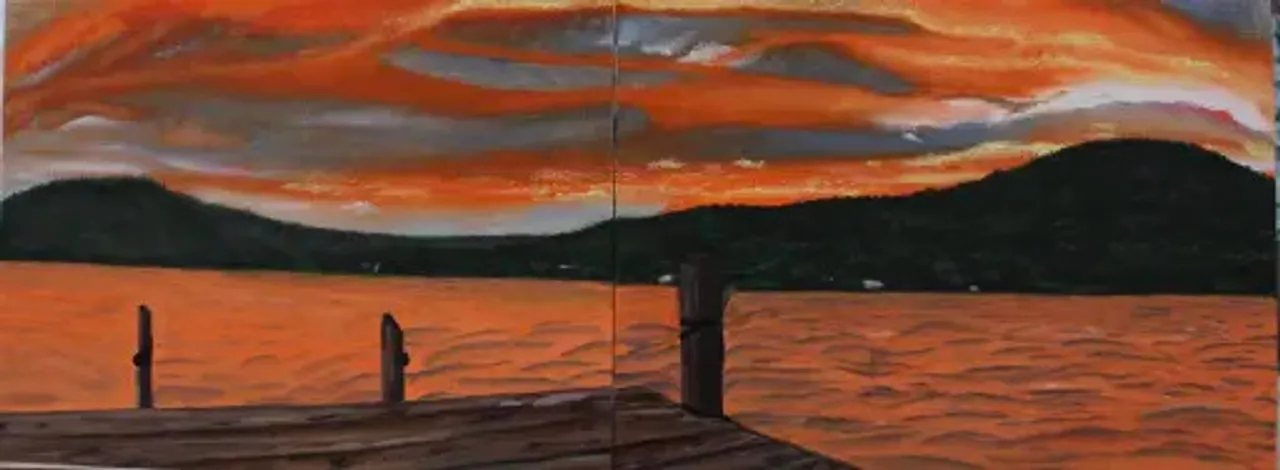
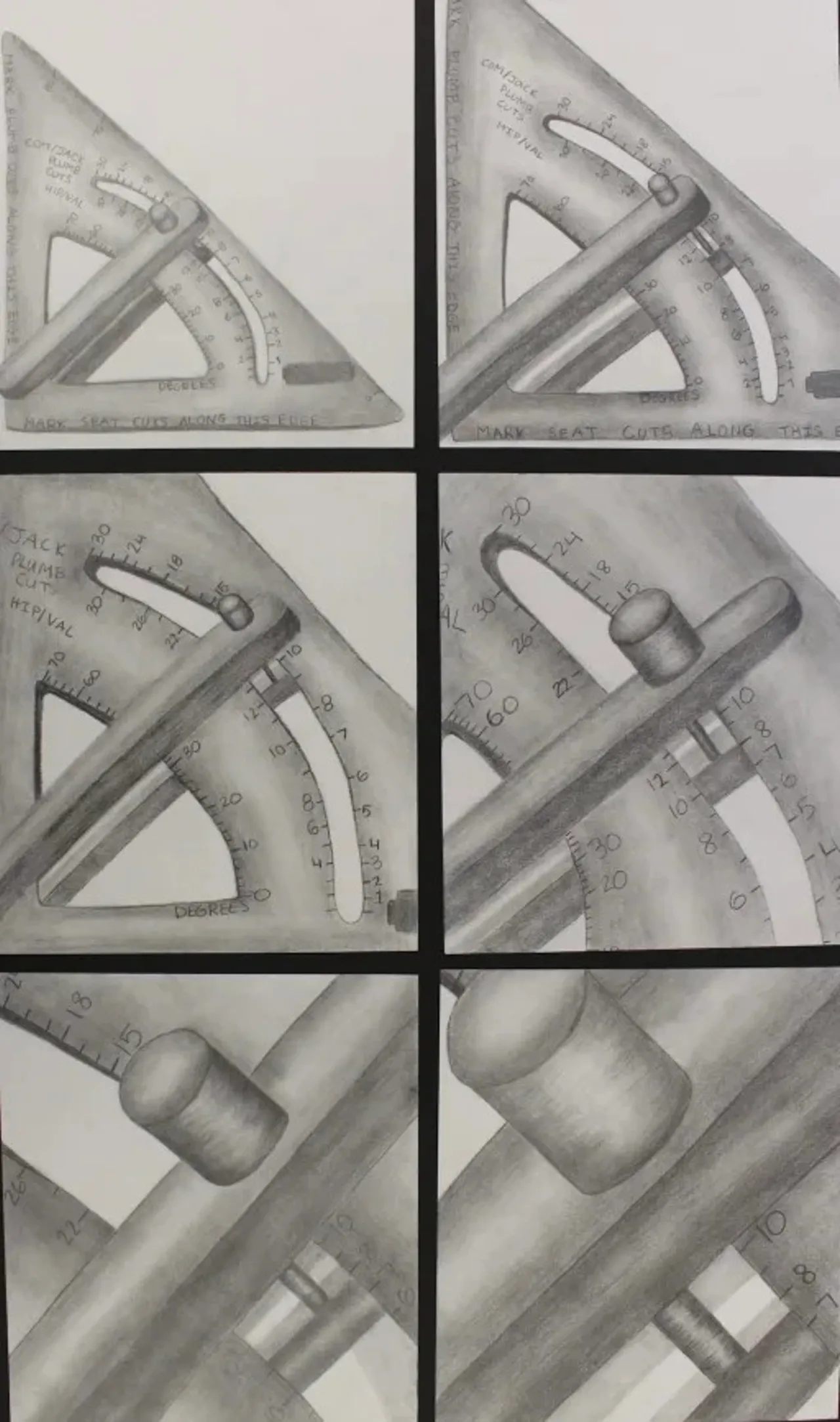
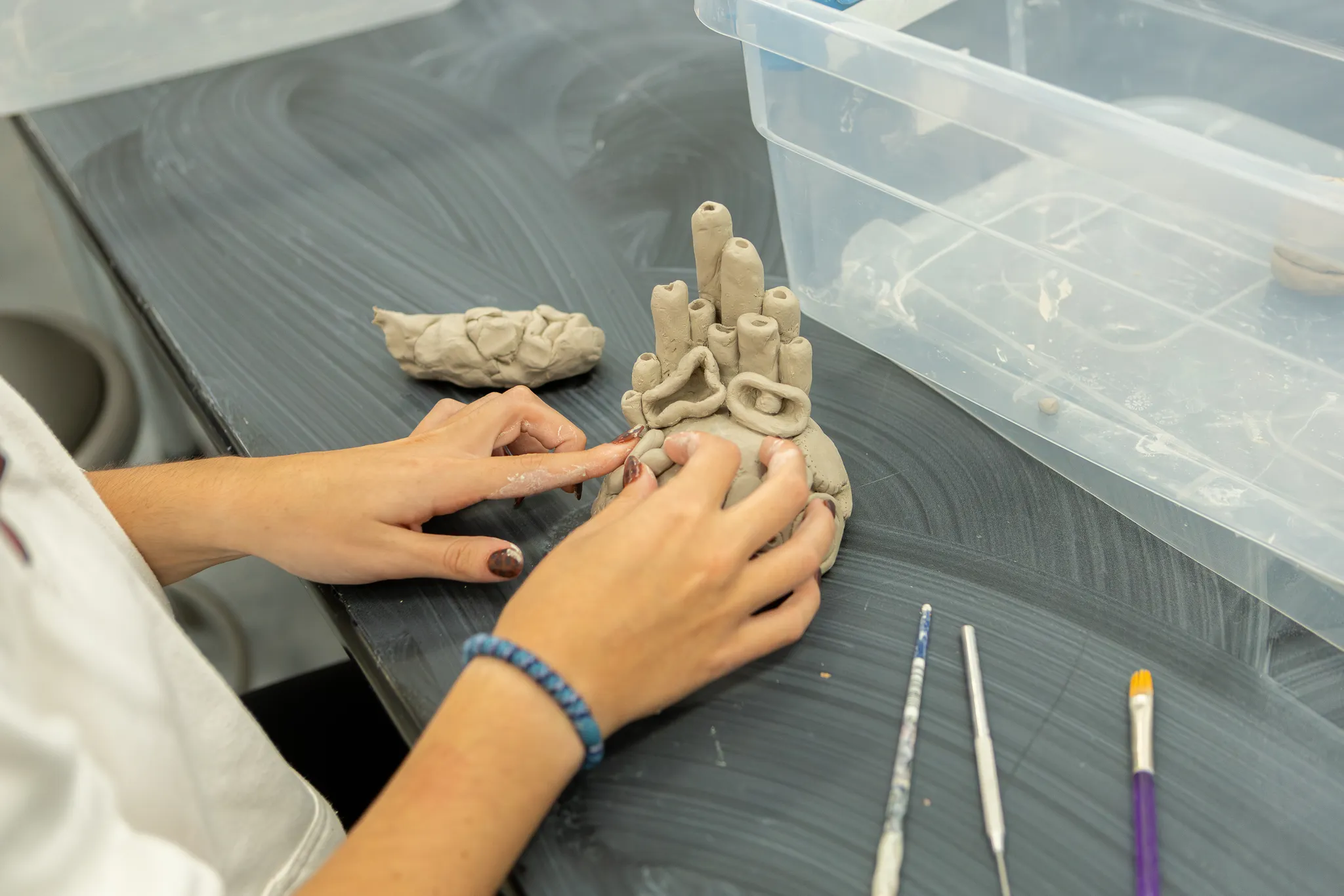
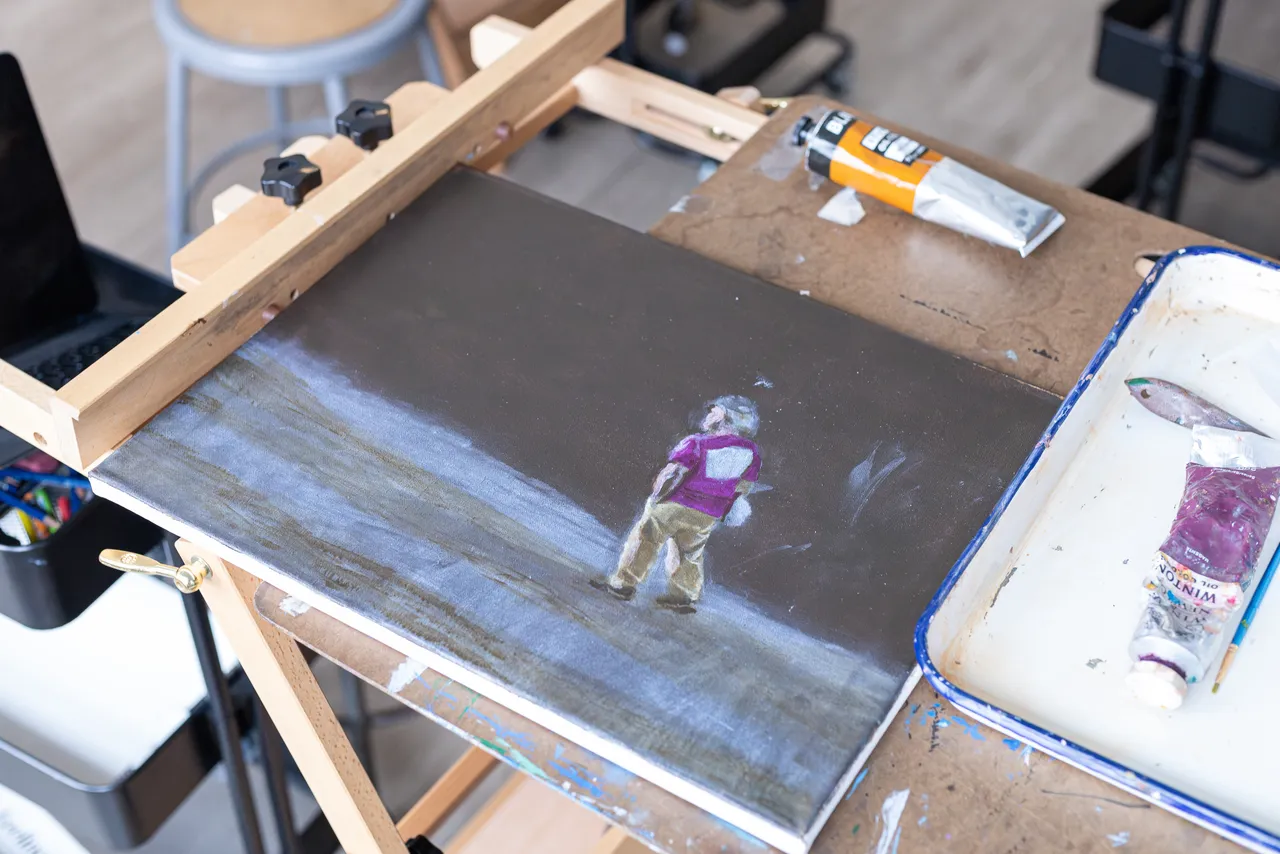
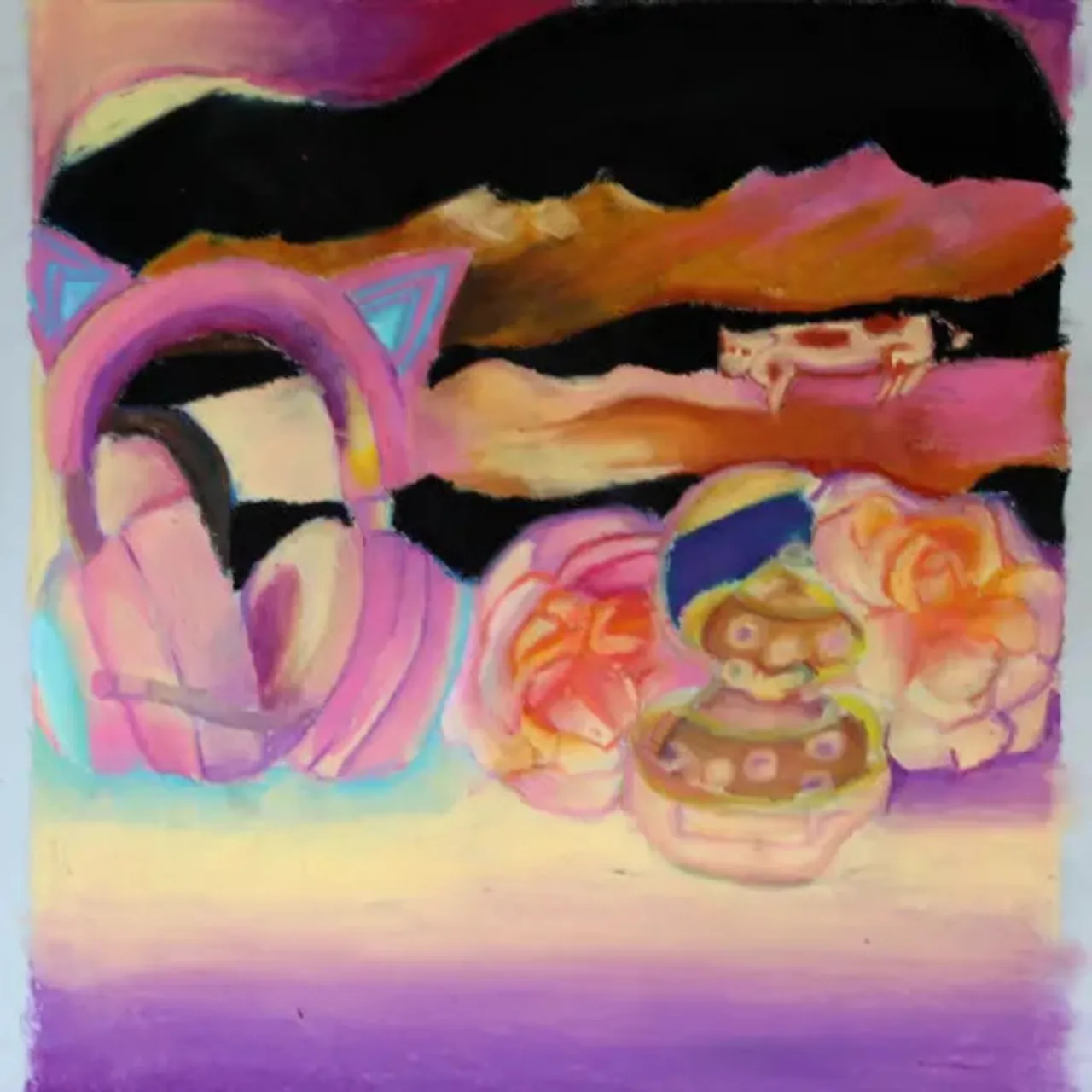
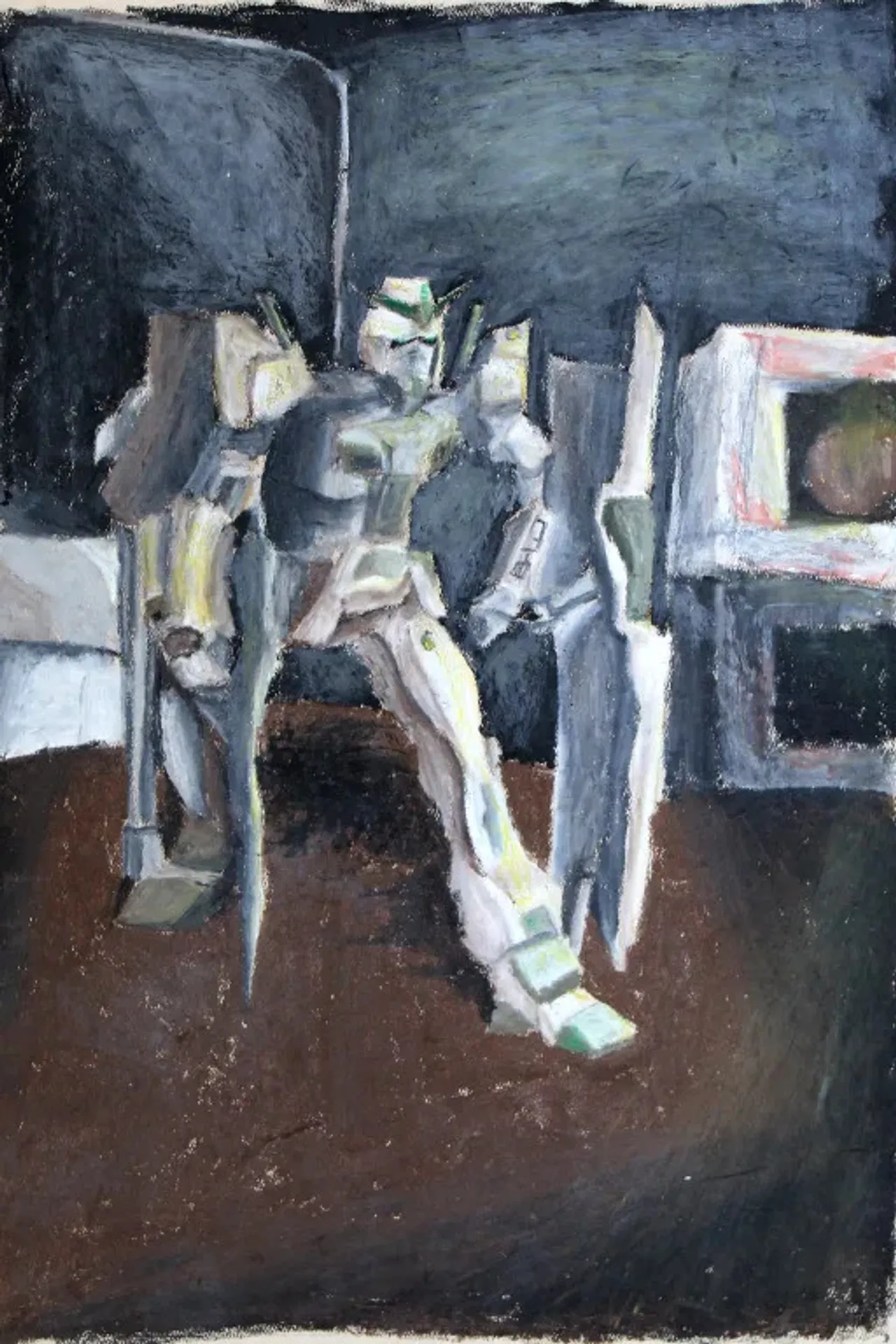
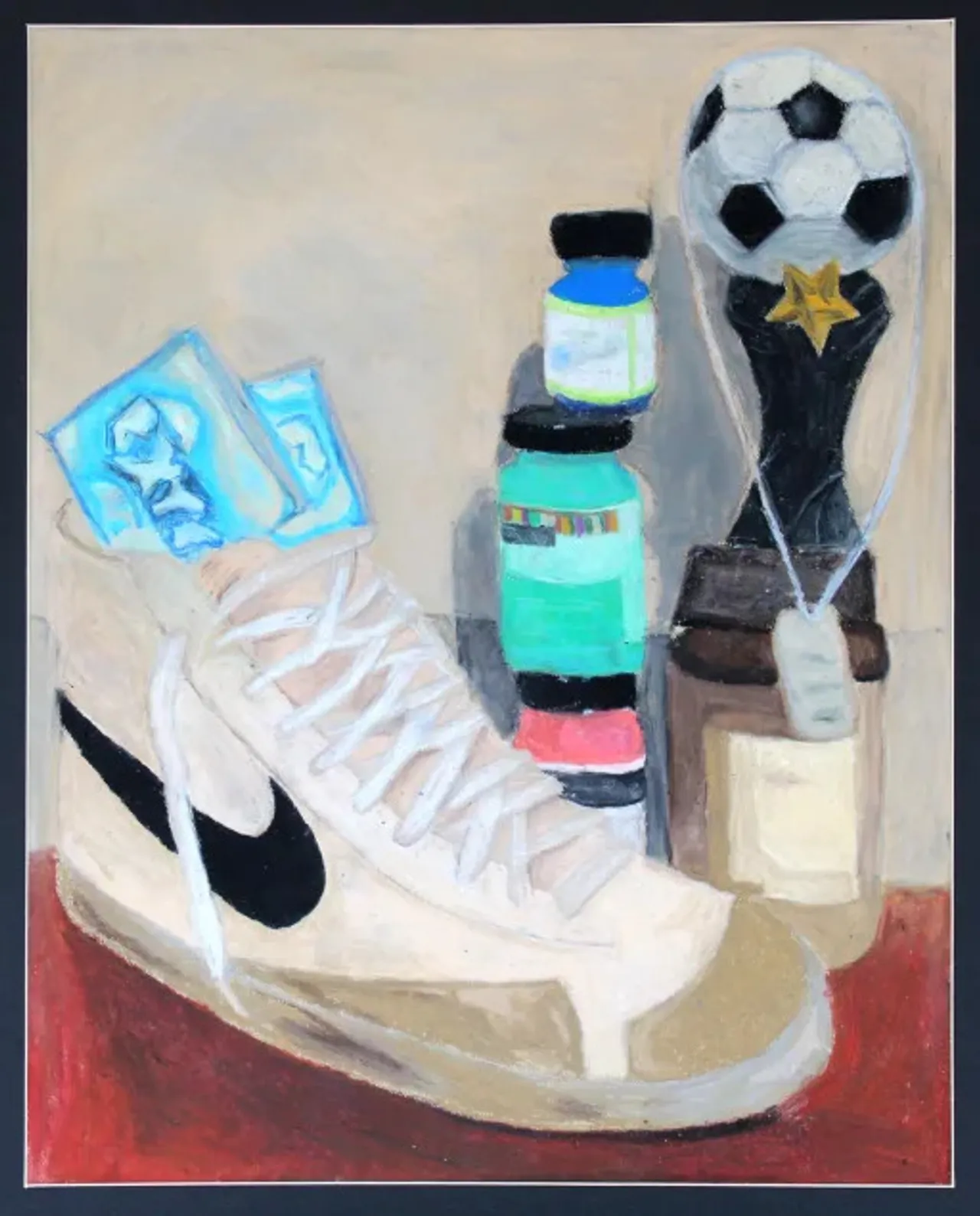
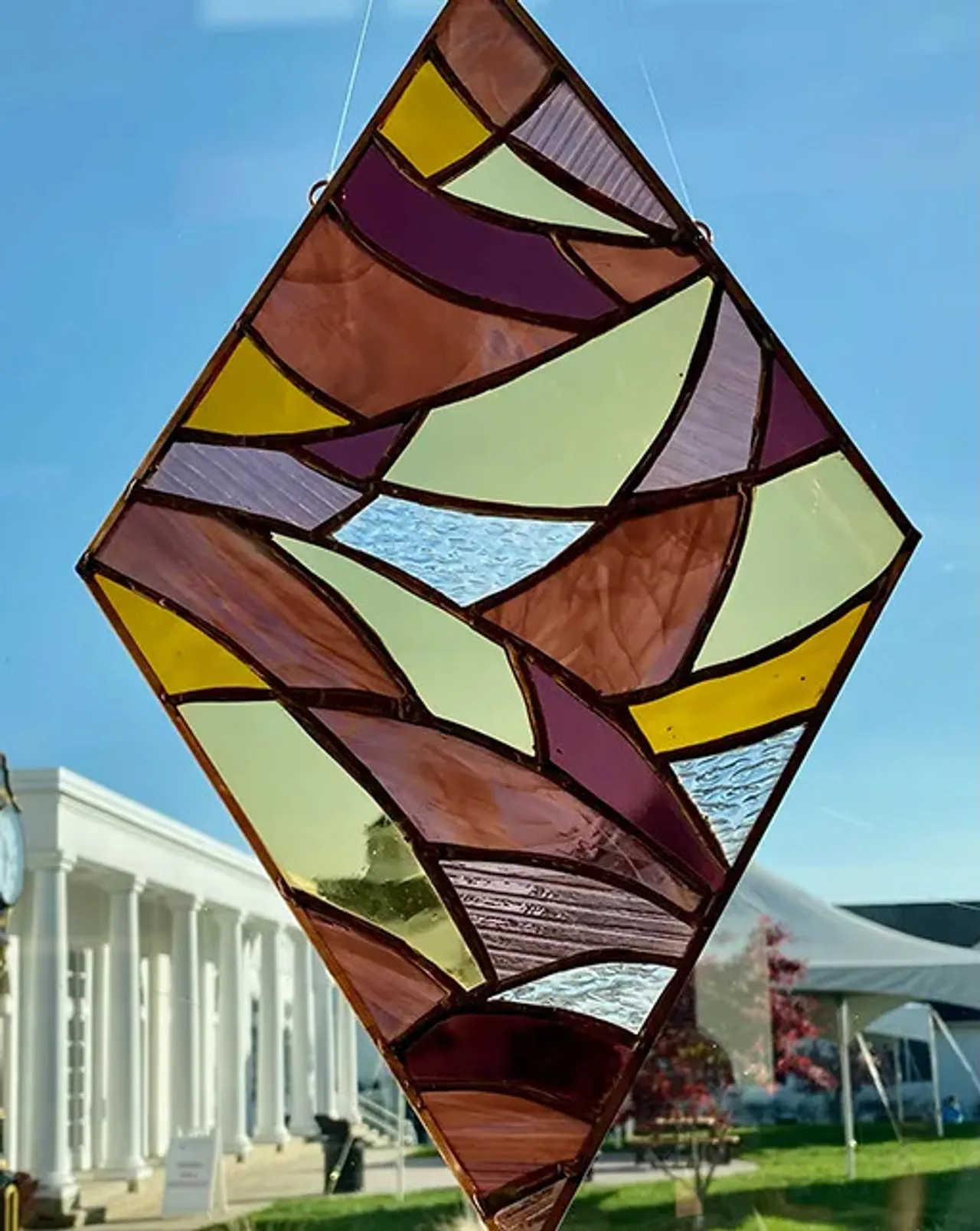
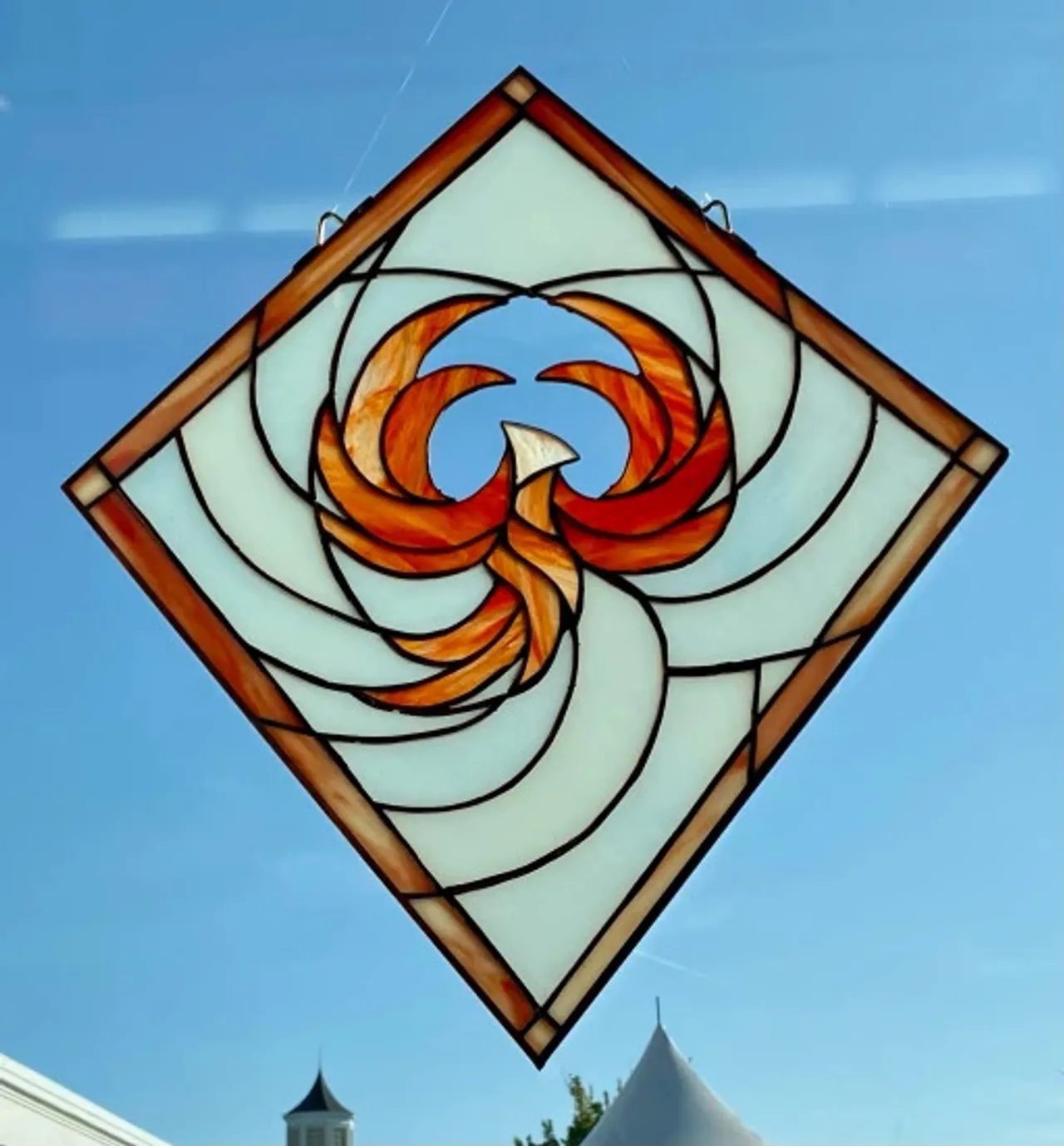
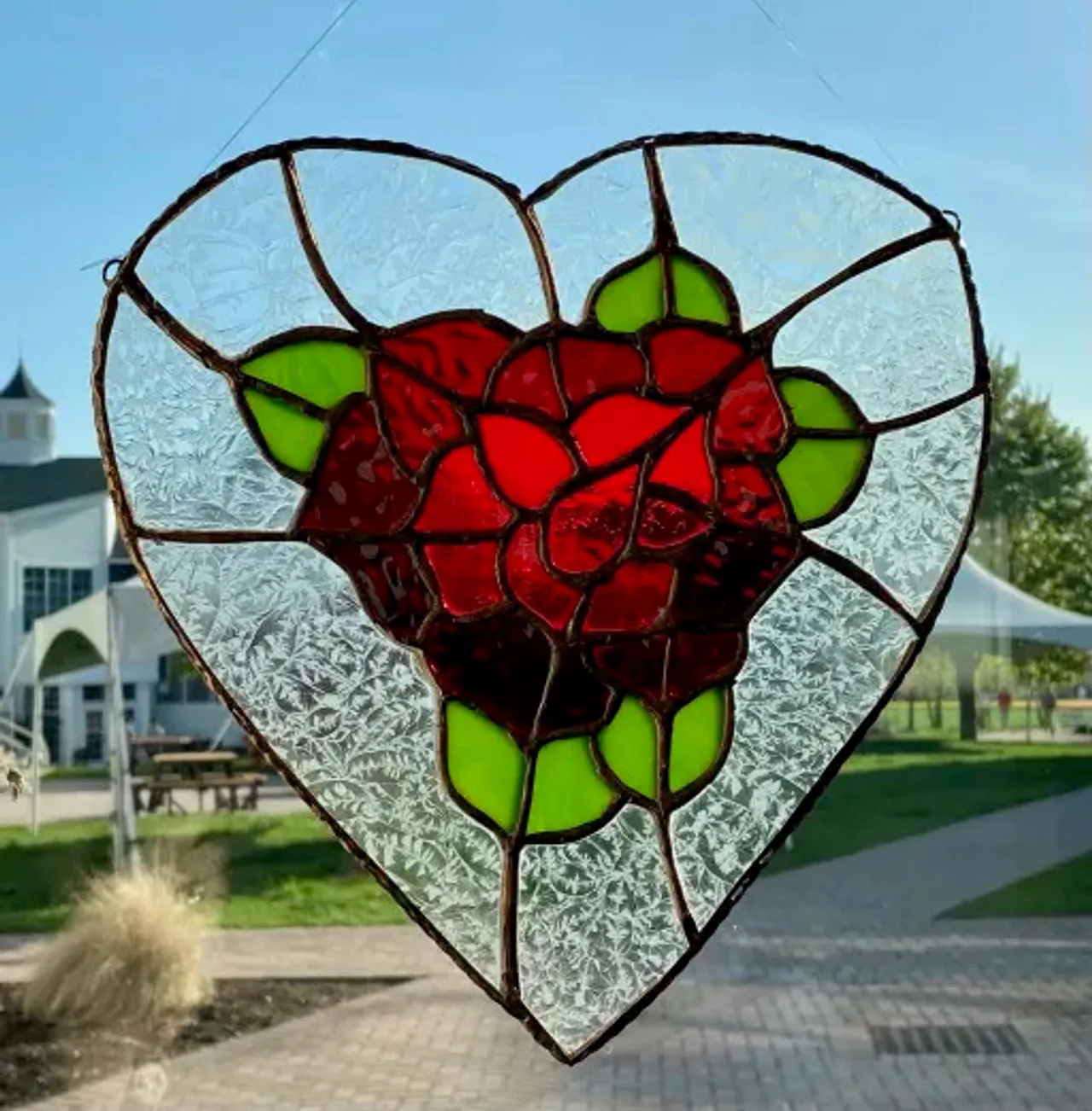
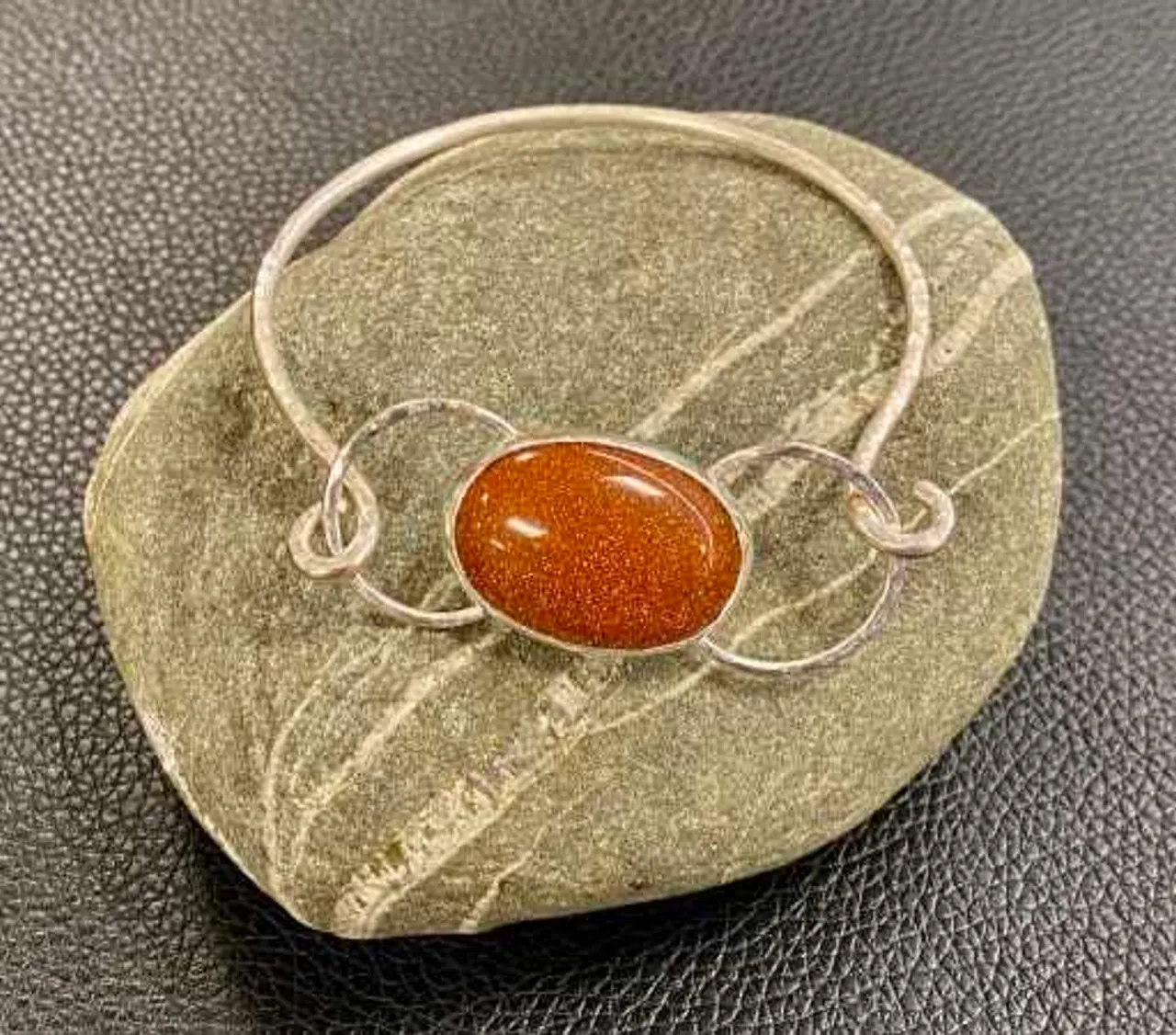
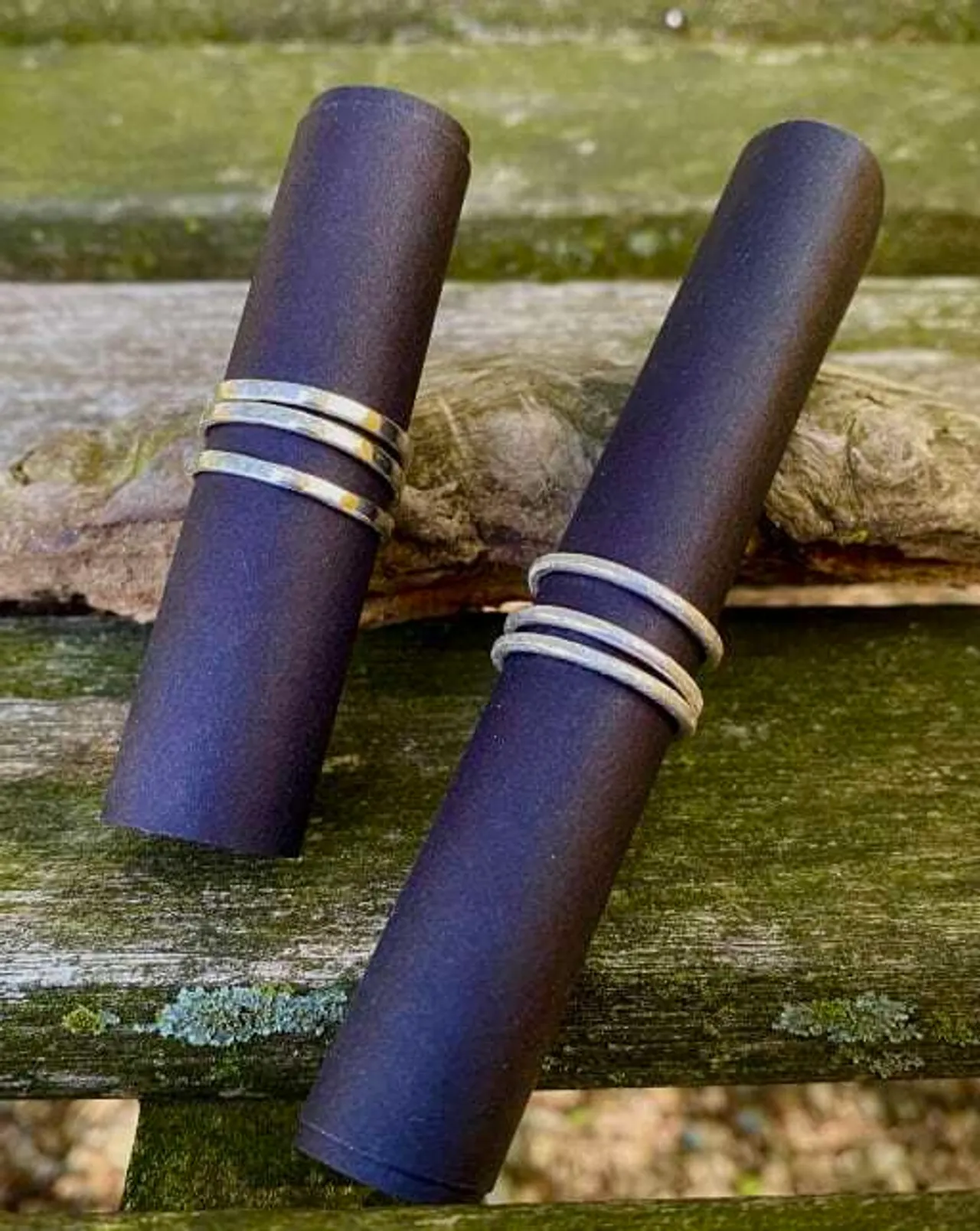
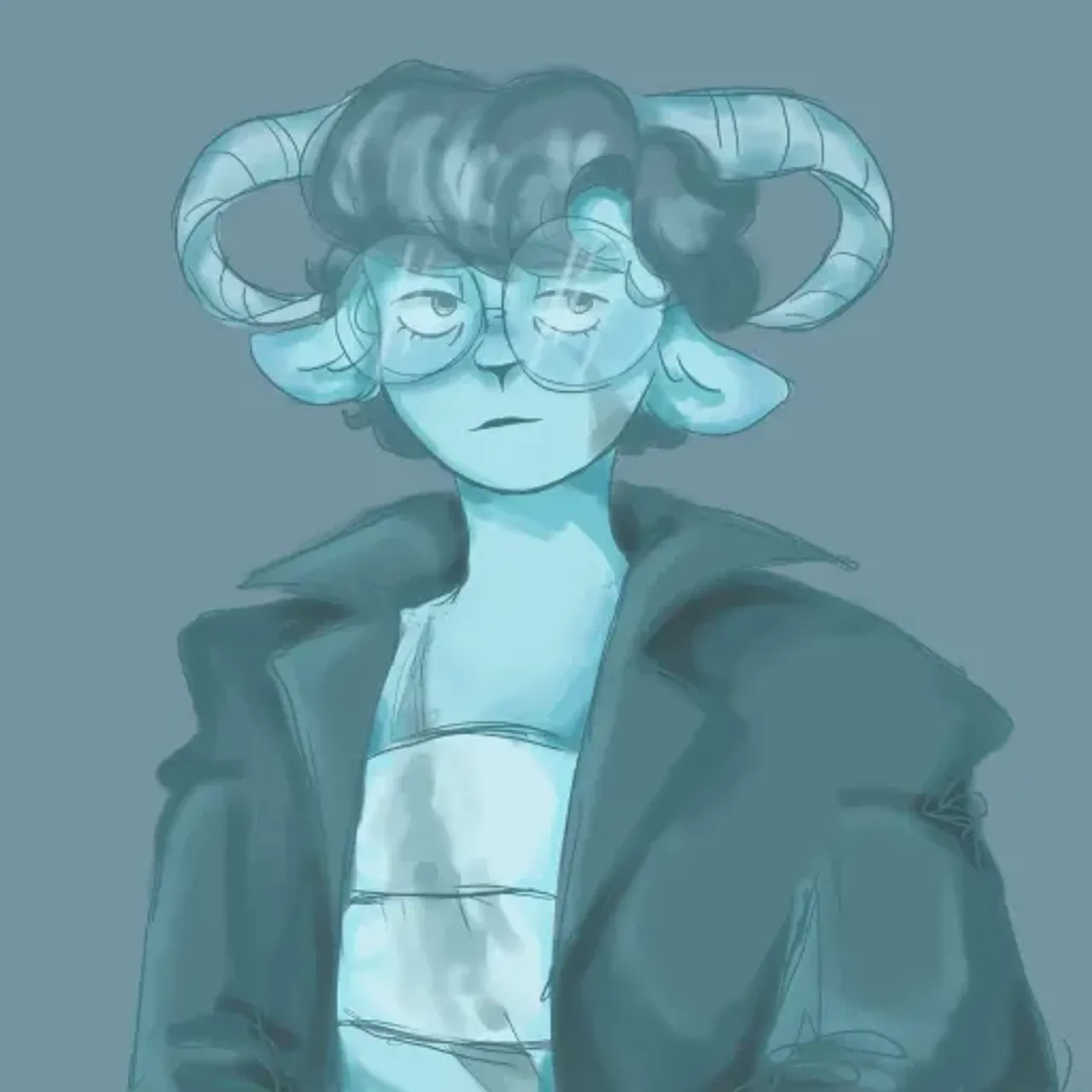
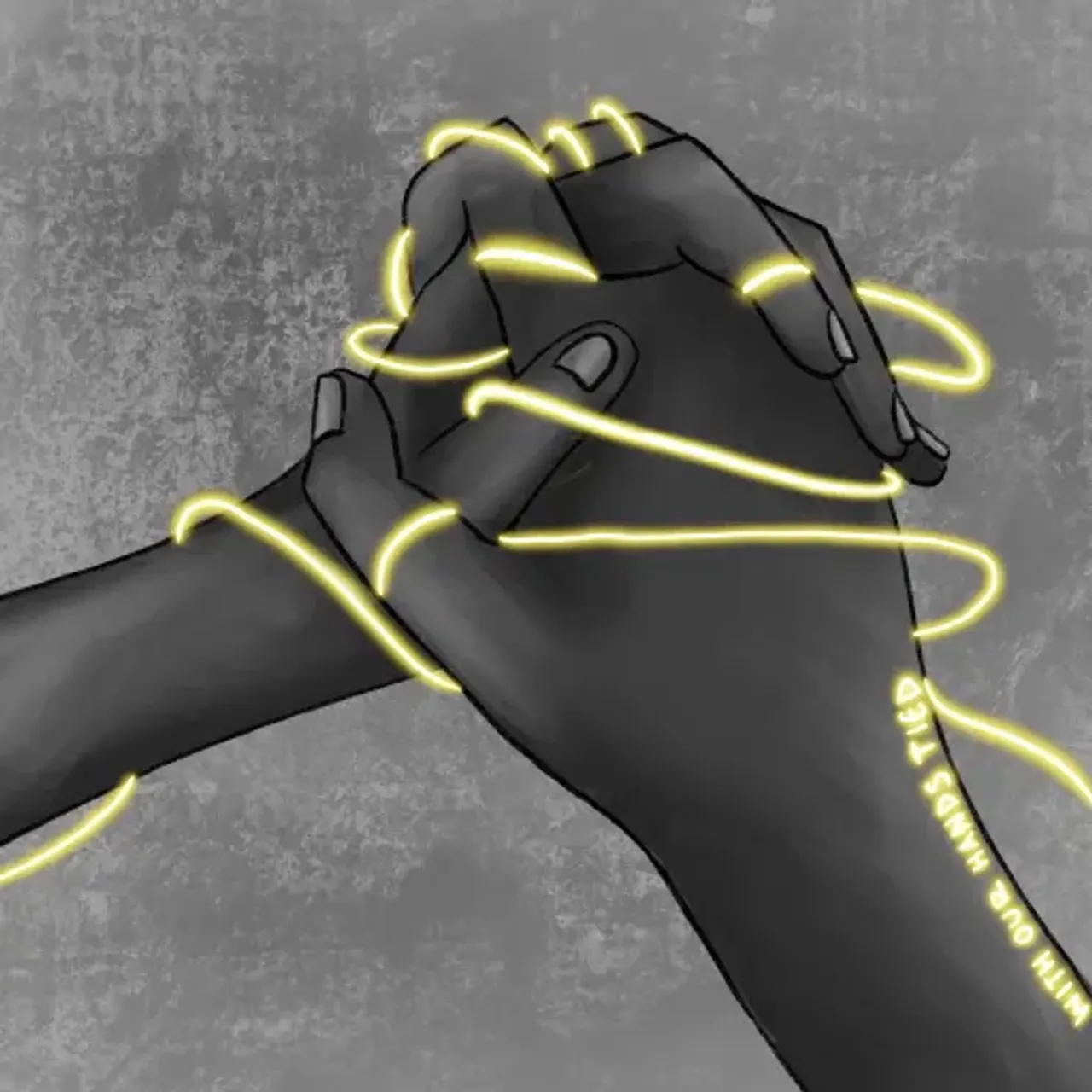
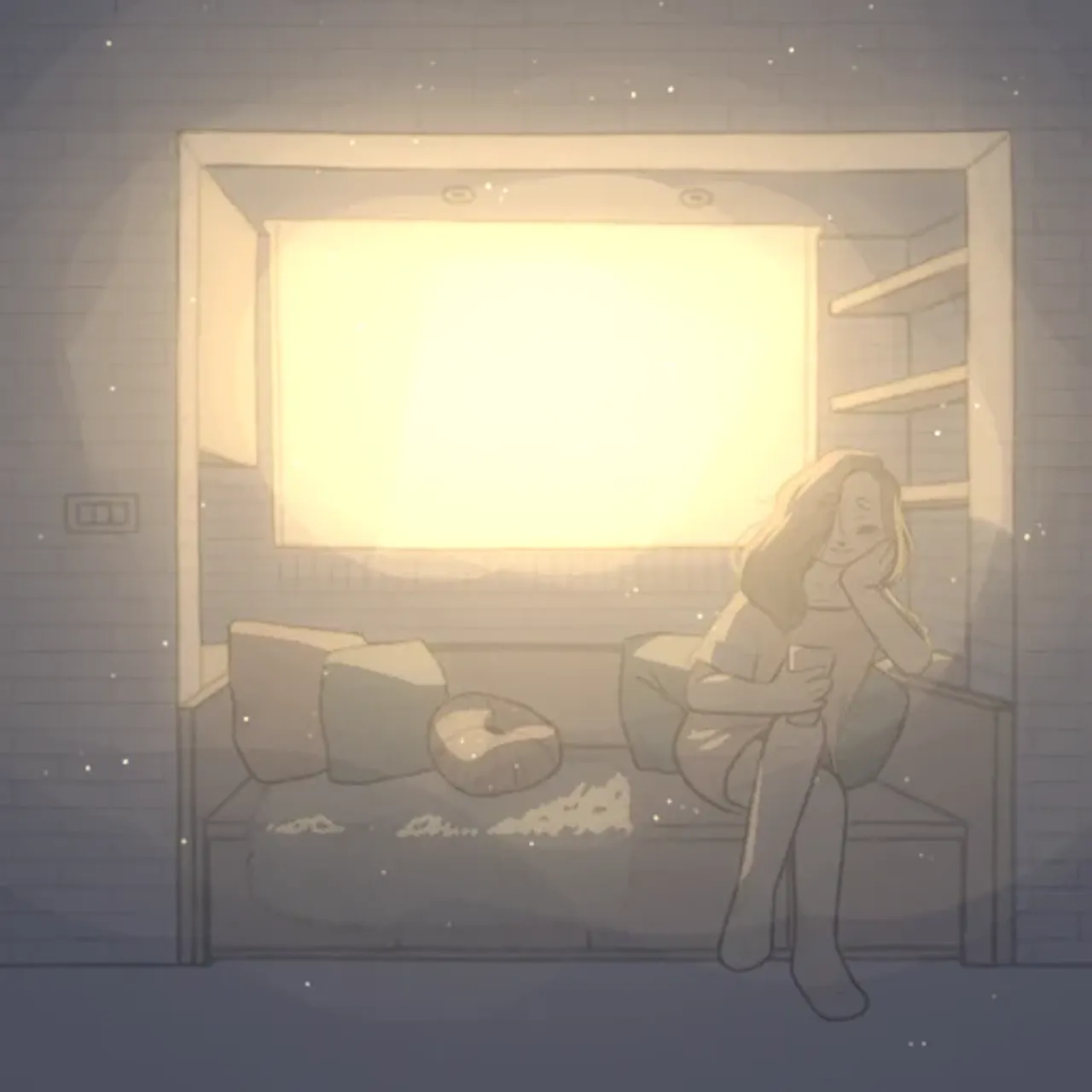
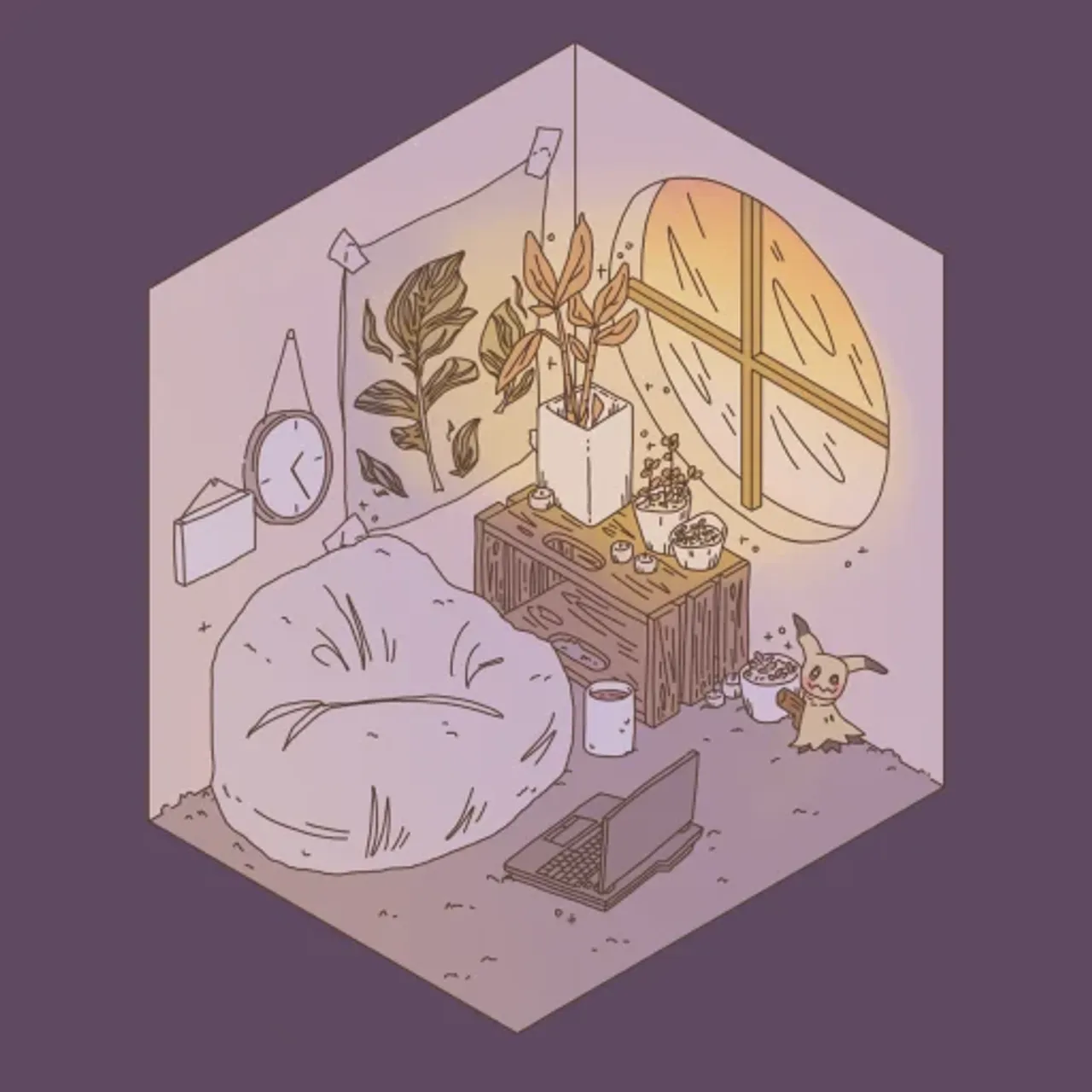
Upper School Art and Design Upper School Art and Design is a multi-disciplinary program, organized into three main tracks: Studio, Artisan, and Digital. Students wishing to pursue a multiple-semester sequence begin with Foundations, a prerequisite for advanced Art & Design courses. Studio Arts courses focus on traditional media, such as drawing, painting, ceramics, and printmaking. Pedagogy stresses the “studio thinking” set of habits as defined by the NAEA, and students complete projects in various media and modes of image-making and expression drawn from art history. Artisan courses focus on metalsmithing, jewelry design, and stained glass design. Students work in a purpose-built studio space, using professional tools. Digital design classes stress graphic design principles, collaboration, team building, storytelling and media authorship. Using tools such as graphics editing software, drawing tablets, a laser cutter and 3D printers, students are encouraged to adopt a “design thinking” mentality and approach projects through the lens of "narrative" or story structure. Overall, students are encouraged to develop and discover new skills, take pride in their creations and acquire a respect and appreciation for the work of their peers and other designers and artists. ENTRY-LEVEL COURSES Foundations: Studio (9, 10) Foundations: Digital (9, 10) Artisan Tools and Techniques (9, 10) Ceramics (9, 10, 11, 12) Digital Photography (9, 10, 11, 12) Digital Storytelling (10, 11, 12) Film Photography (9, 10, 11, 12) Hands-On Art History (9, 10, 11, 12) Printmaking (9, 10, 11, 12) INTERMEDIATE COURSES Art 2 (10, 11, 12) Art 3 (11, 12) Ceramics 2 (9, 10, 11, 12) Digital Illustration (9, 10, 11, 12) Graphic Design (10, 11, 12) Graphic Design Studio (10, 11, 12) 2 Dimensional Design with Digital Fabrication (10, 11, 12) 3 Dimensional Design with Digital Fabrication (10, 11, 12) Architectural Design Studio (10, 11, 12) INTERMEDIATE ARTISAN COURSES Glass Design (10, 11, 12) Jewelry Design (10, 11, 12) Metal Design (10, 11, 12) ADVANCED-LEVEL COURSES Art 4 (12) Advanced Placement Studio Art (12) Human Scale: An Advanced Integrated Design Studio (11,12)
Intermediate


Advanced